
Introduction
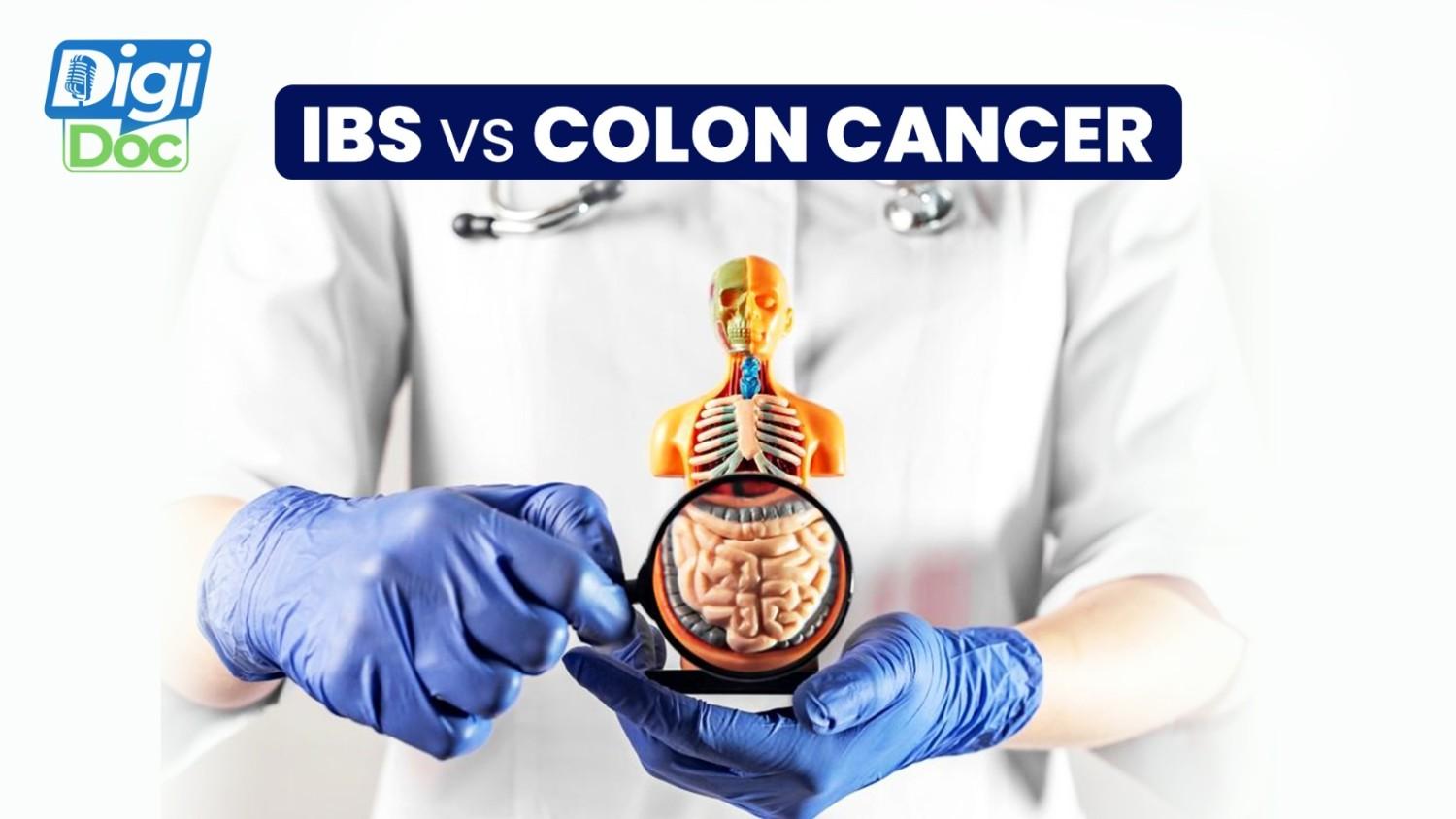
You may be experiencing pain in your abdomen. You may be bloated. You may experience erratic bowel movements or discomfort in your gut. You probably then Googled your symptoms and found some scary things; you certainly may have seen IBS and colon cancer pop up at the same time!
This is common because there may be some shared symptoms of these conditions, particularly in the early stages or times of exacerbation. However, when you break things down, there are many differences, including causes, risk factors, and treatment.
Allow us to clear things up for you so that you understand the difference between when it is just an irritated gut and when you should reach out to a specialist.
What is IBS (Irritable Bowel Syndrome)?
IBS is characterized as a functional gastrointestinal disorder, meaning that when a doctor looks at the gut, they will see no visible damage, but the digestive system is simply not functioning properly.
Some common features of IBS
- Chronic condition (long-term)
- Triggered by food, stress, or hormones
- No structural abnormalities in the bowel
- Affects more women than men
- Not life-threatening, but it affects quality of life
What is colon cancer (colorectal cancer)?
Colon cancer, also called colorectal cancer, is the appearance of abnormal cell growth in the colon or the rectum, and those cells will develop into tumors. Colon cancer usually takes years to develop and often begins as benign (non-cancerous) growths called polyps.
Some key points are:
- Colon cancer is the second leading cause of cancer deaths worldwide.
- Usually affects adults over the age of 50 (but an increasing number is seen in younger populations)
- May become life-threatening if it is not treated early
- The earlier the detection, the better the prognosis.
IBS vs Colon Cancer: Key Symptom Differences
| Symptom | IBS | Colon Cancer |
| Abdominal Pain | Cramping is relieved after a bowel movement | Constant or worsening pain |
| Bowel Habit Changes | Alternating constipation & diarrhea | Persistent change in one direction |
| Blood in Stool | Rare (unless hemorrhoids are present) | Common – dark or bright red blood |
| Weight Loss | Unusual | Unintentional weight loss is common |
| Fatigue | Occasional (due to poor digestion) | Frequent and unexplained |
| Feeling of Incomplete Stool | Common in IBS | May occur due to obstruction |
| Bloatin | Very common | Less common, unless blockage is present |
Risk Factors: IBS vs. Colon Cancer
Risk Factors for IBS:
- Elevated stress or anxiety
- Poor gut health
- Food intolerances (dairy, gluten, etc.)
- Changes in hormone(s) (especially in women)
- Family history of IBS
- Risk Factors for Colon Cancer:
- Age 50+
- High diet in red/processed meats
- Sedentary lifestyle
- Smoking or drinking alcohol
- Family history of colorectal cancer or polyps
- Inflammatory bowel disorder, such as Crohn’s disease or ulcerative colitis
When to See a Doctor?
If you are experiencing any of the following “red flags,” then do not wait:
- Blood in stool
- Significant and unintentional weight loss
- Persistent change in the habit of bowel movements
- Excessive fatigue
- Pain that persists and does not ease after emptying of bowels
- Family history of colon cancer
It is always better to be safe than sorry, even if it is something benign.
Diagnosis Process: IBS vs. Colon Cancer
IBS:
- There is no definitive test; diagnosis is made based on symptoms.
- Rome IV criteria may be used by the physician.
- Tests to rule out other causes may be blood or stool tests.
- Colonoscopy is rarely needed unless there are red flags.
For Colon Cancer:
- The gold standard is colonoscopy.
- Blood test (ex, CEA markers)
- Imaging (e.g., CT scans)
- Biopsy (polyps or other abnormal tissue)
Treatment: IBS vs. Colon Cancer
IBS Management:
– Dietary management (dietary restriction of FODMAP, avoiding triggers)
– Stress management (yoga, therapy)
– Gut-friendly medications (different antispasmodics or laxatives)
– Probiotics
Colon Cancer Management/Treatment:
– Surgery (removing cancer tissue)
– Chemotherapy or radiation (depending on the stage)
– Targeted therapy in more advanced stages
– Regular follow-up (scans)
Also, early-stage colon cancer is usually treatable; therefore, screening is required.
Can IBS Turn Into Colon Cancer?
No, IBS does not develop into colon cancer. These are completely different conditions.
However, IBS symptoms could hide symptoms that indicate a colon issue. If you have IBS and you are experiencing new or worsening symptoms, see your doctor.
Prevention Tips for Both Conditions
For IBS:
- Avoid trigger foods (spicy, dairy, caffeine).
- Eat gut-friendly, fiber-rich meals
- Manage stress
- Get regular exercise
For Colon Cancer:
- Have regular colon screenings at 45 (or earlier if at risk)
- Eat more fruits, veggies, and whole grains.
- Eliminate processed meat and limit alcohol.
- Hold a healthy weight
- Quit smoking
Conclusion
Your gut sends you messages every day, in the form of cramps, bloating, changes in bowel habits, and more. When your gut talks, it’s important to listen and take action, because something is not quite right. Colon cancer is serious, and IBS is uncomfortable, but both can be identified and managed more effectively with early diagnosis.
If you’re uncertain, don’t fret, but do reach out to a healthcare professional. You deserve peace of mind and a healthy gut.
FAQ
- Can blood come out of IBS?
Blood is not a symptom of IBS. If you notice blood in your stool, you should be assessed for hemorrhoids, infections, or something worse, such as colon cancer.
- Is the pain of colon cancer always there?
Yes, in most instances, it is going to be persistent or worsening pain that is not relieved by a bowel movement.
- How can I know if I have IBS or something worse?
If symptoms are persistent, worsening, and/or red flag symptoms are present (i.e., weight loss and blood in stool), it would be good to do a full medical evaluation.
- Can stress cause colon cancer?
Stress is not a direct cause of colon cancer, but chronic stress may influence your immune system and gut health. More importantly, stick to diet, lifestyle, and screening.